
Empathy
We start from the experience of the person in front of us. Most of the people doing this work have lived some version of it themselves.
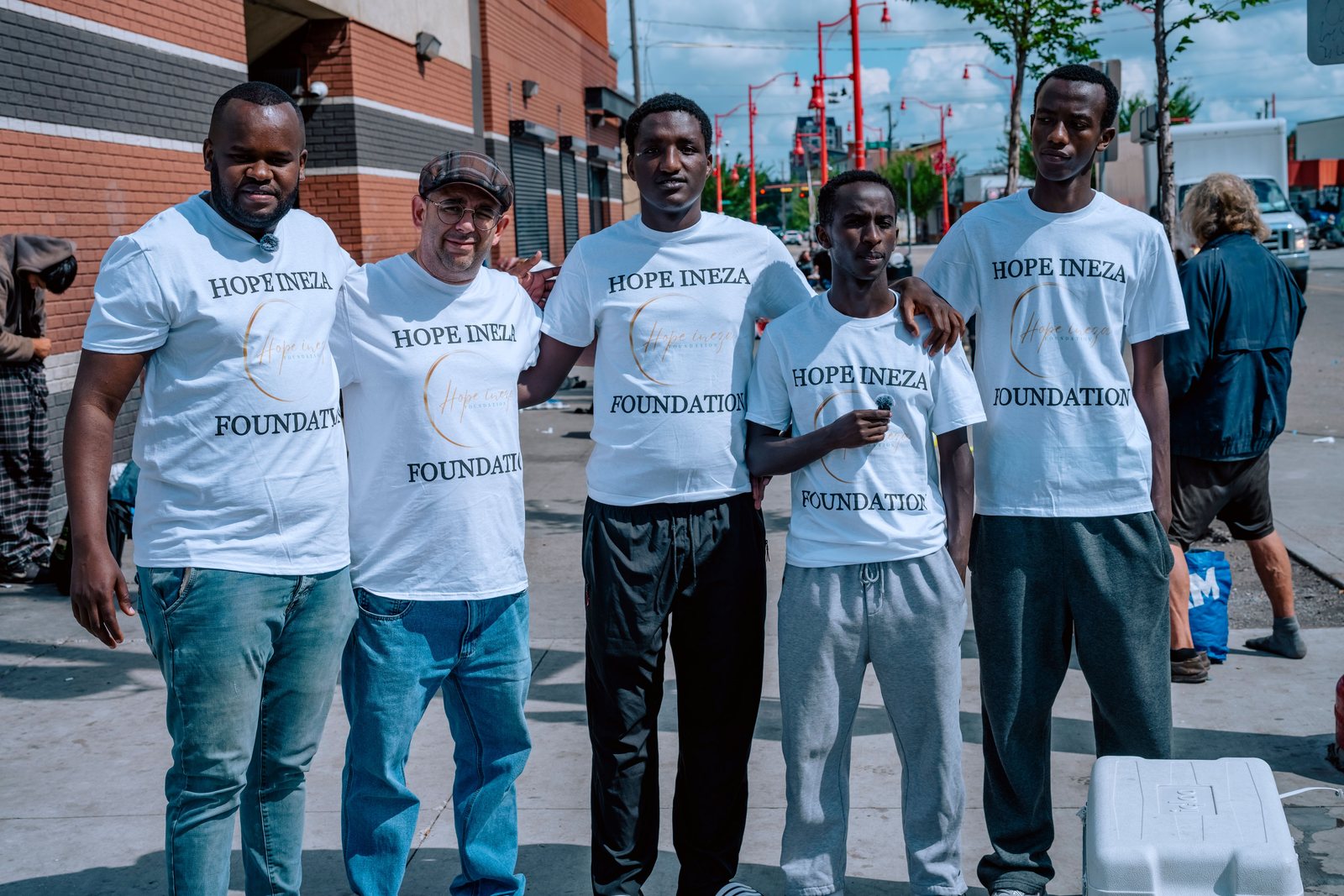
An Edmonton-based non-profit supporting newcomer families and people without a home in Canada, and running education programs for refugee children overseas.
Hope Ineza Foundation was established in 2022 in Nakivale refugee settlement, south western Uganda, by people living in and alongside that community. The work began with education: helping children back into school, explaining to families what schools require, covering fees for children who had none.
The foundation is now based in Edmonton, Alberta, and most of what we do happens here. The people who started it had made the journey themselves, and they knew that arriving in Canada is its own kind of difficult: a hundred small unknowns, in an unfamiliar language, in a winter nobody warned you about.
So the Canadian work took two shapes. We sit with newcomer families through their first months and work through the practical business of building a life here. And we go out with food, water and warm clothing for people living on the street, because hope is not only for people who have just arrived.
The programs in Uganda continue. We hold non-profit documentation in Alberta and remain a registered non-profit in Uganda for that international work.
Ineza means kindness.
To reshape perspectives and empower individuals through transformative education and training. We aim to challenge preconceptions, foster inclusivity, and equip people with the tools they need to thrive: newcomers building a life in Canada, people without a home here, and underprivileged communities overseas.
Empowering a world transformed. We envision a future in which our work in education and training has contributed to communities in Canada and beyond that thrive on inclusivity, innovation and resilience.
Empowering minds, igniting possibilities.
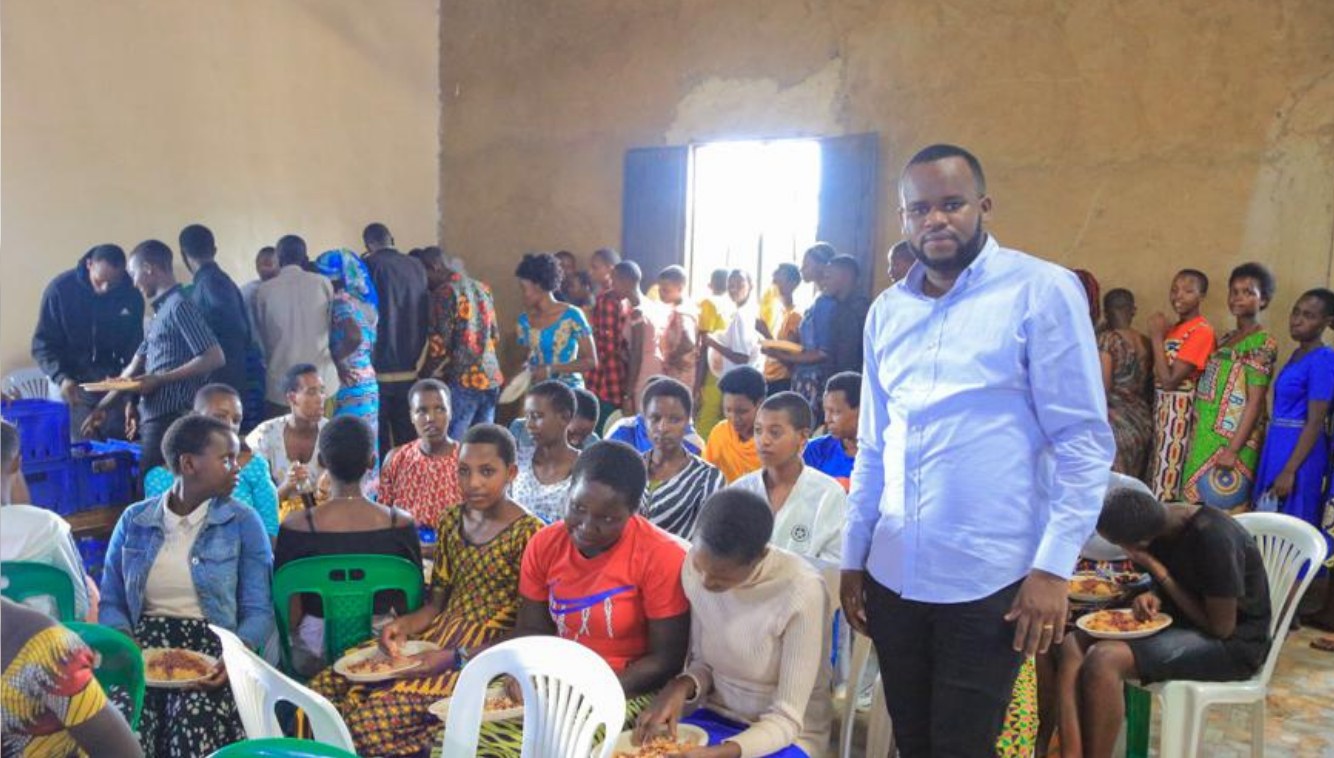
These three values guide our efforts to create an environment where everyone has the opportunity to learn, grow and contribute.
We start from the experience of the person in front of us. Most of the people doing this work have lived some version of it themselves.
The people we serve come from many places and arrive by many routes. Our programs are built for that reality rather than against it.
We run pre- and post-program surveys and keep feedback channels open, so that what we deliver next is better than what we delivered last.
Workshops, seminars and outreach that carry the organization’s message and values through the communities we serve.
Platforms and resources that reach a wider audience and provide learning beyond geographical boundaries.
Mental health, stress management and wellbeing built into programs to support holistic development.
Advocating for educational policies that promote open-mindedness, critical thinking and inclusivity in formal education systems.
Partnerships with schools, universities, other non-profits and businesses to extend the reach of our work.
Continuous assessment of program effectiveness, with data-driven improvements that keep us aligned to the mission.
Long-term sustainability through effective fundraising, grant applications and diversified revenue.
Clear metrics focused on outcomes: changed perspectives, new skills and shifts in attitude.
Mentorship, leadership programs and scholarships that reach young people early in their development.
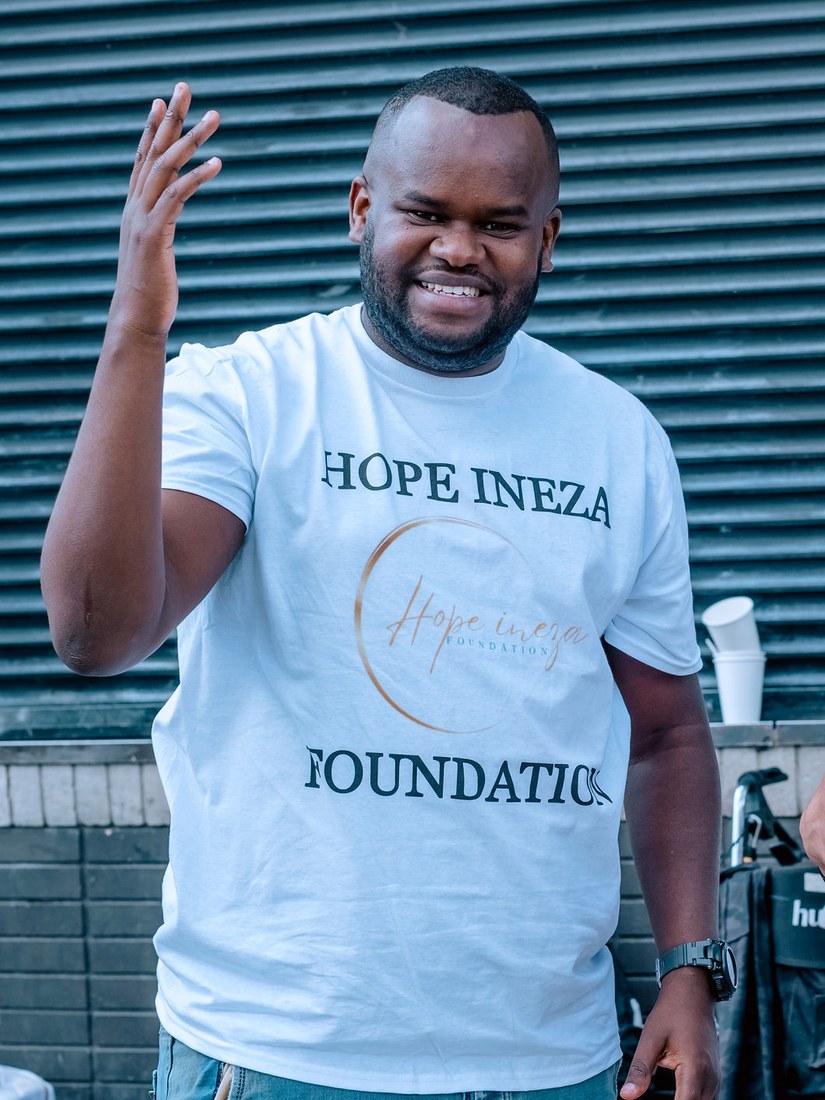
Rev. Pastor Jean Paul Mutabazi founded Hope Ineza Foundation and leads its work in Edmonton and overseas. He prepared the foundation’s project proposal and the Thirty Dollars Campaign, and is the point of contact for partnership enquiries.
His work combines the practical and the pastoral: sharing a word of hope, and providing food, clothing and school fees to those who need them, on the streets of Edmonton and in the settlements overseas.
Faith and access. Hope Ineza Foundation is a faith-motivated organization with roots in the church community. Our programs and assistance are open to everyone we serve, without regard to belief.
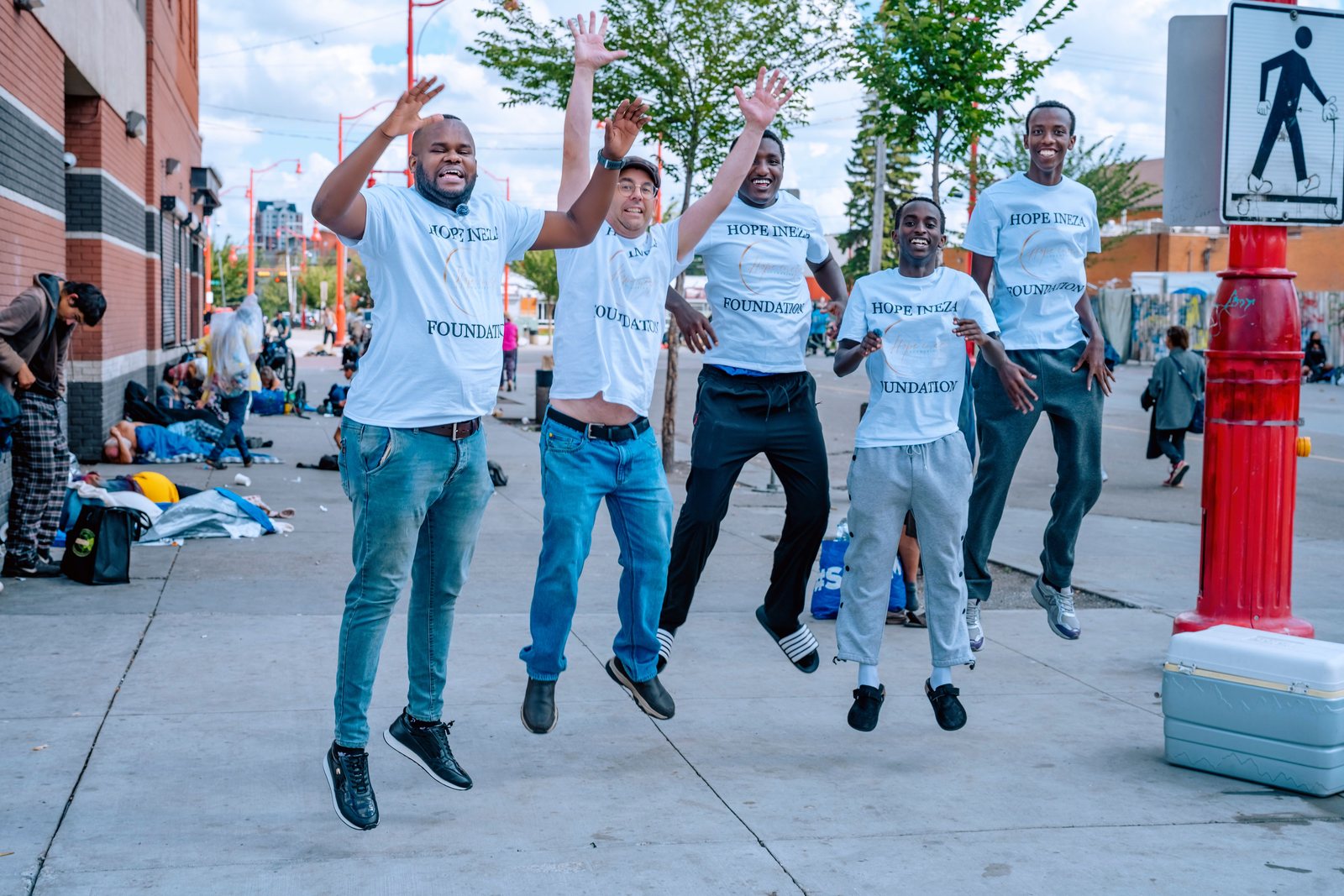
In Edmonton it buys water, food and warm clothing for someone living on the street, or a kettle and a set of pans for a family setting up their first Canadian home. Through our international programs, $30 covers a school term for a child in a Ugandan refugee settlement.