What we bring
Water, food, warm clothing and basic supplies. The things that are needed most, and that run out fastest.
Two programs in Edmonton: settlement support for newcomer families, and street outreach for people without a home. Alongside them, the education work overseas where the foundation began.
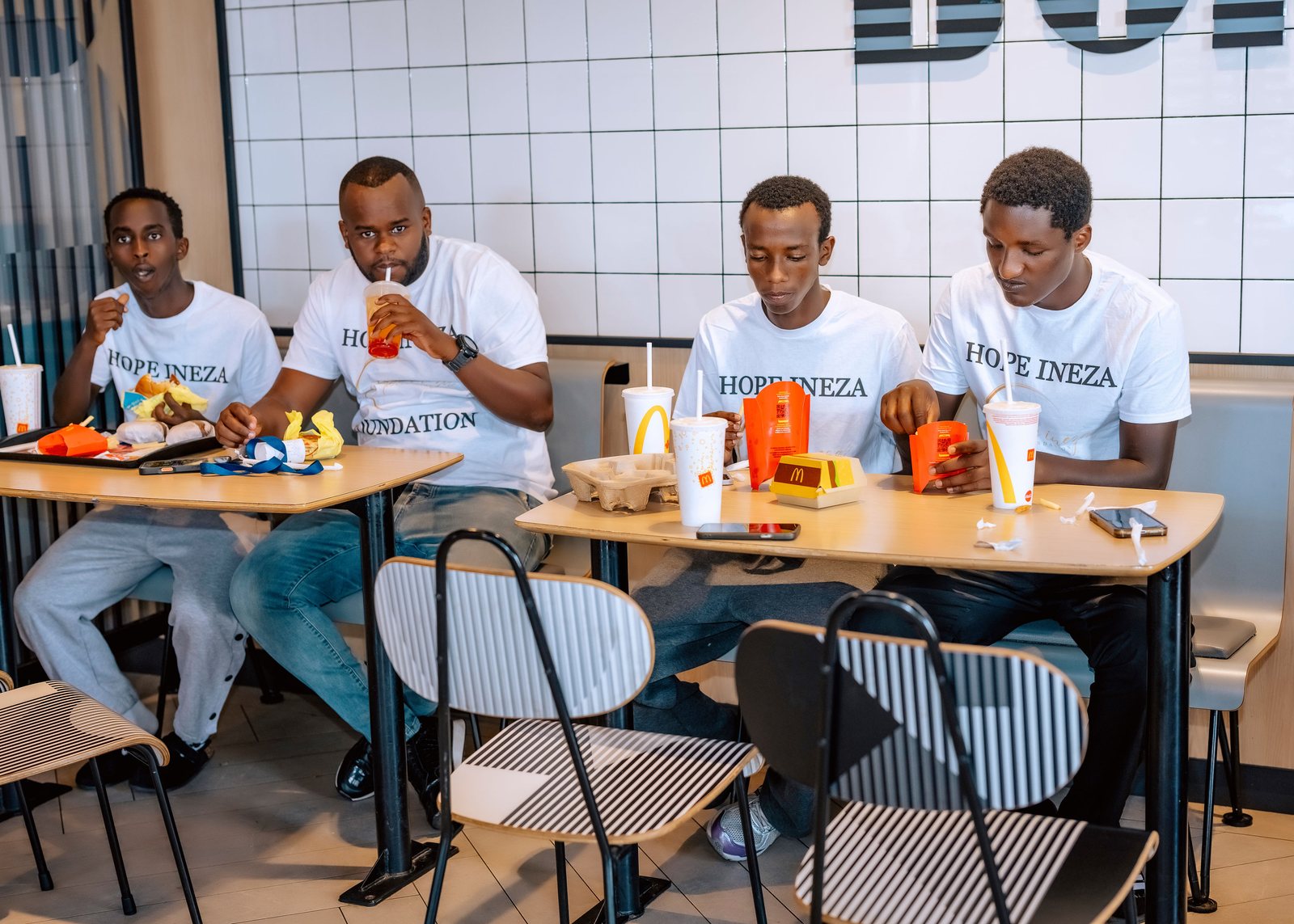
Helping refugees and newcomer families through the first months in Canada, when everything is unfamiliar at once and very little of it is written down.
Arriving is not the hard part. The hard part is the weeks afterwards: a hundred small unknowns, each one easy for someone who grew up here and genuinely difficult for someone who did not.
We work through them alongside people, in their own language where we can.
The part people are least likely to ask about, and most likely to need. If you have never used one, a Canadian kitchen and laundry room are full of machines with unlabelled dials and assumptions built into them.
We show people how to use the appliances in their new home: the washing machine and dryer, the stove and oven, the fridge and freezer, the dishwasher, the microwave, the thermostat and the smoke alarm.
It sounds small. It is the difference between living in a place and being at home in it, and it removes a daily source of stress in a period when there is already plenty.
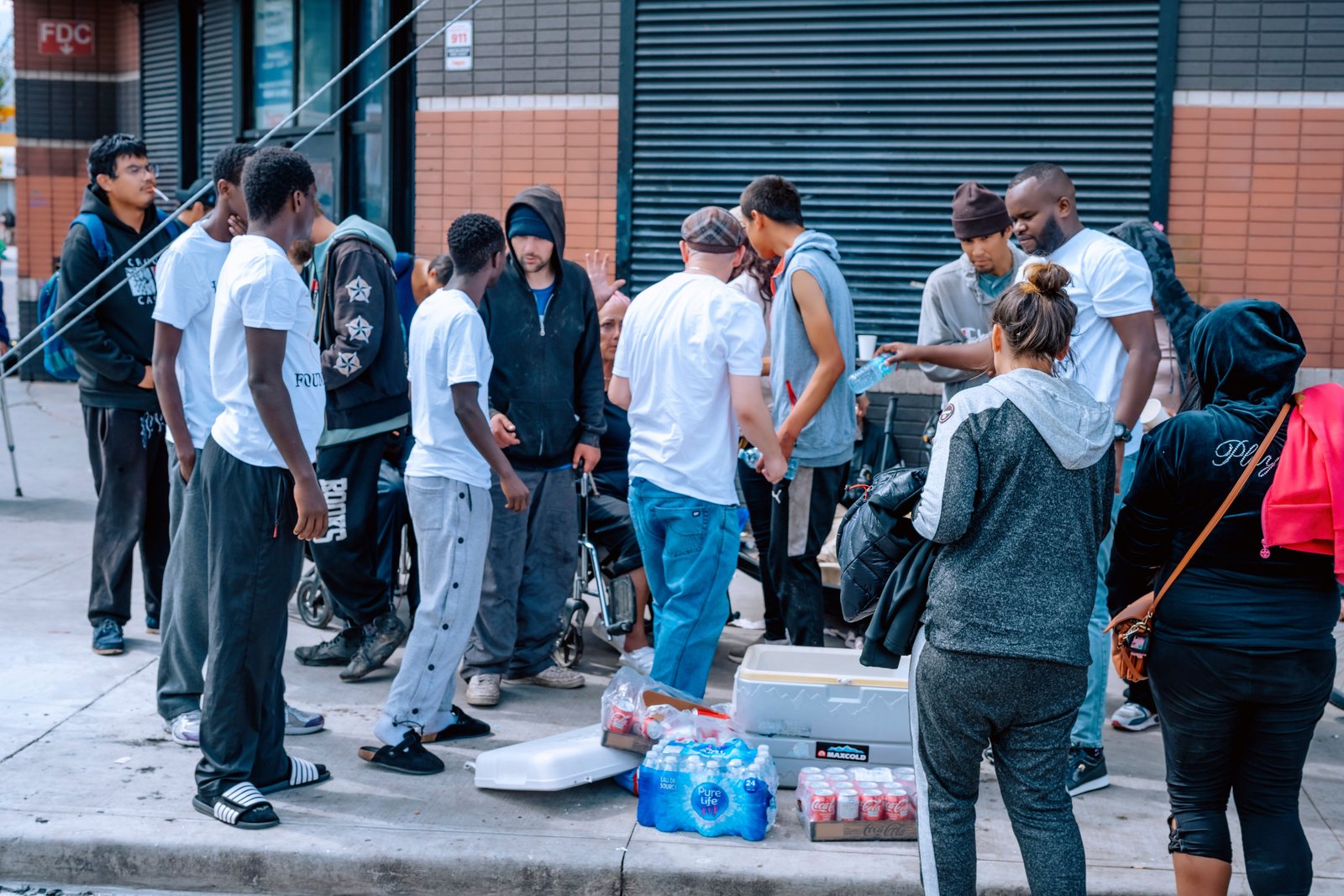
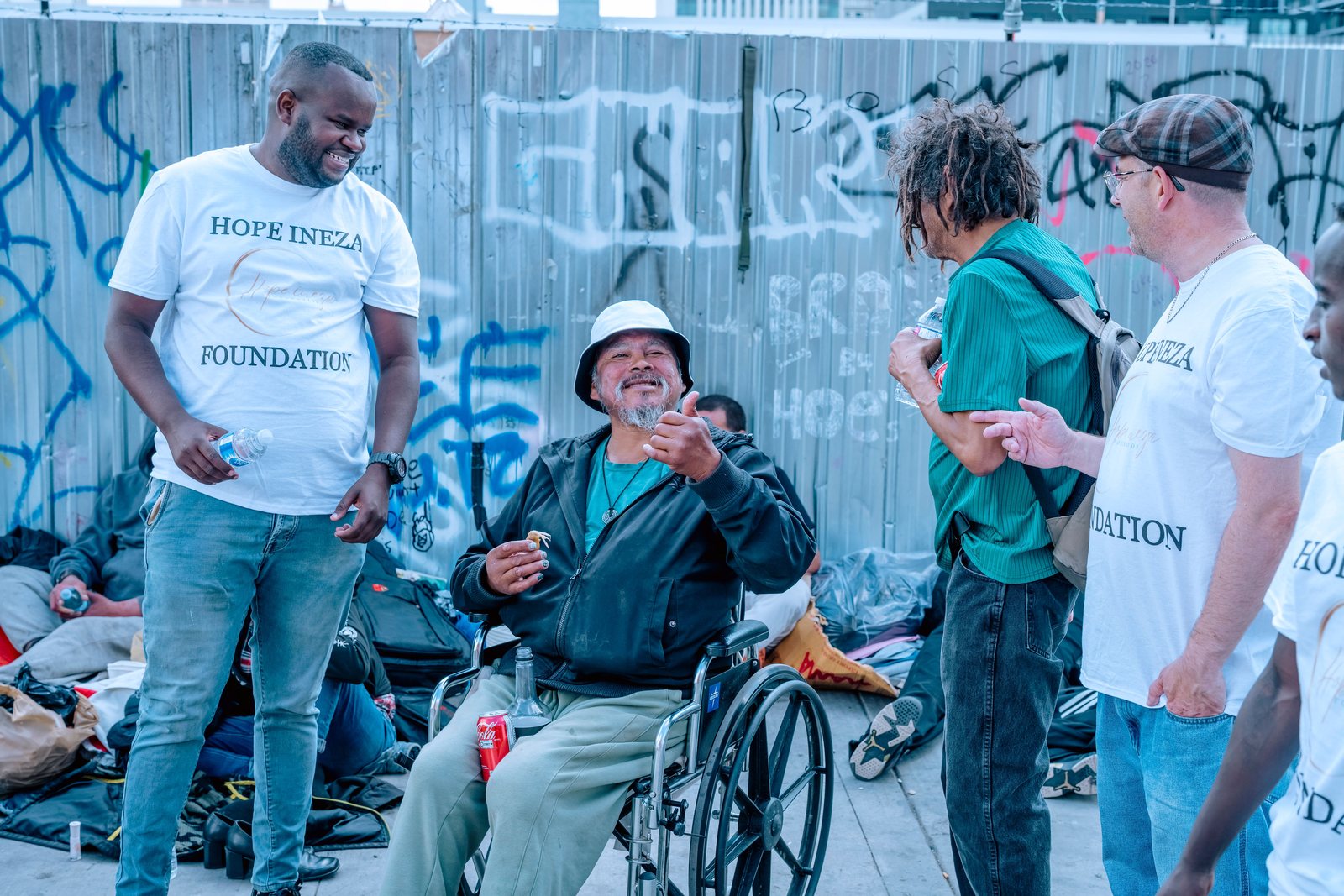
Volunteers take water, food and warm clothing to people living on the street, and stop long enough to talk.
The team goes out in Hope Ineza Foundation shirts so people can recognise who they are and look for them again. Supplies are handed over directly, on the street, rather than from behind a desk that somebody has to find first.
The material help is real and it matters. But the point of going back to the same streets is the other half of it: being a familiar face, remembering a name, asking how the week has been, and treating someone as a person rather than a situation. That is what people tell us they remember.
Water, food, warm clothing and basic supplies. The things that are needed most, and that run out fastest.
In branded shirts, as a team, on foot, to the same areas, so we become recognisable rather than anonymous.
One visit is charity. Coming back is a relationship, and that is what gives somebody a reason to hope.
Hope Ineza Foundation was established in 2022 in Nakivale refugee settlement in south western Uganda. These programs continue alongside the Canadian work, and remain a registered non-profit activity in Uganda.
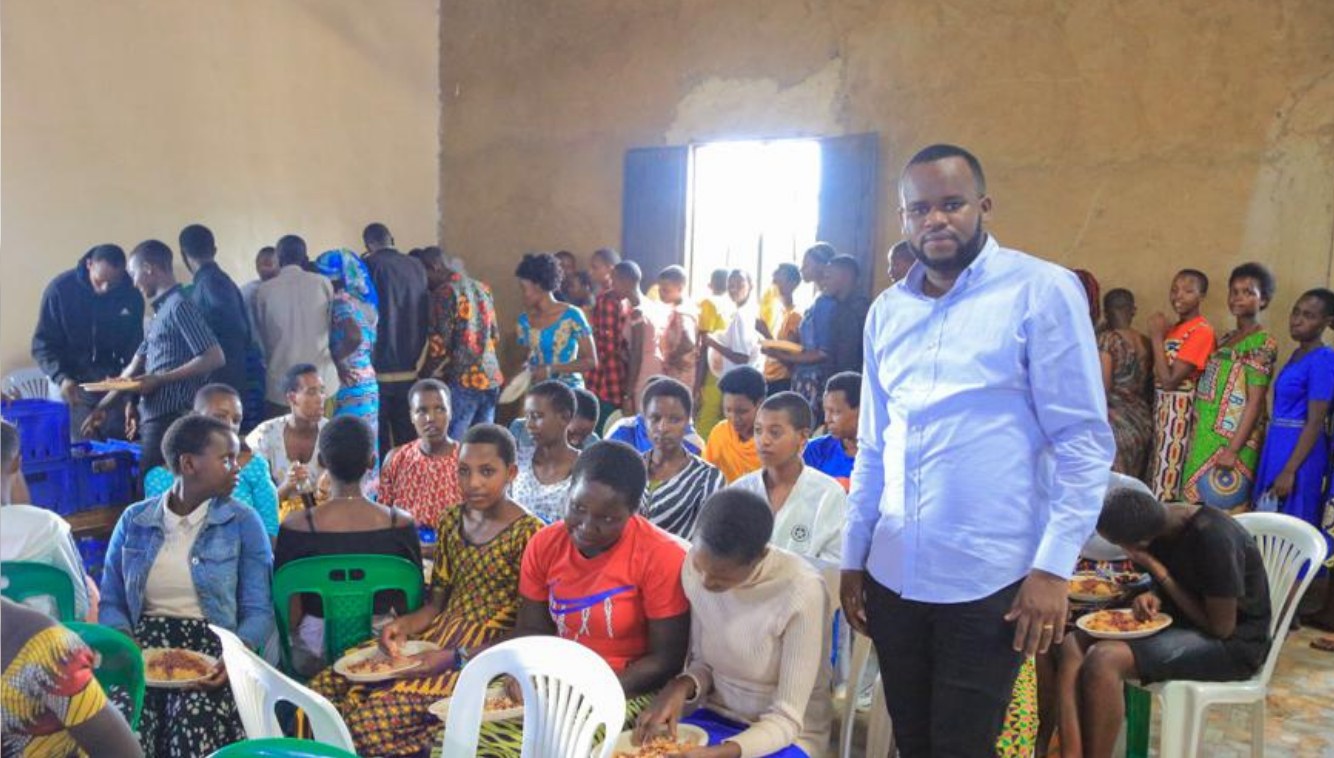
Delivered in the Nakivale and Kyaka II settlements, helping refugee children reintegrate into Ugandan schools.
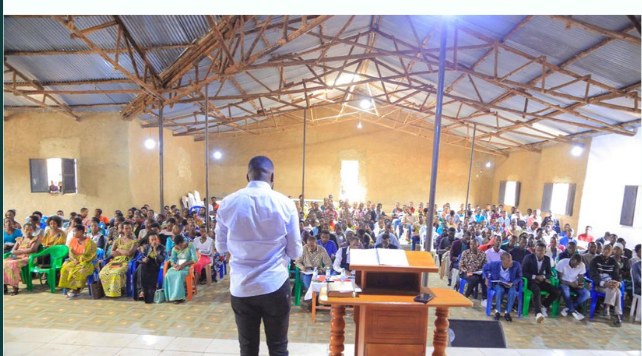
Our refugee training and orientation project addresses the psychological and cultural barriers that stop people feeling they belong. It reaches five settlements: Nakivale, Kyaka II, Rwamwanja, Kyangwali and Kiryandongo.
School fees for a student in the settlements are $30 per term, or between $90 and $100 for a full academic year. Sponsorship goes to orphans and the most vulnerable children: those not attending school at all, and those at risk of leaving because their family cannot cover the fees.
Alongside fees we sponsor some of the most vulnerable children and orphans directly, and promote sports and recreation for refugee children as a right rather than a luxury.
Work with young people on drug use and unplanned pregnancy, nutritious food during seminars and outreach, and clothing distributed as a basic need, which is often the difference between a child attending school and staying home.
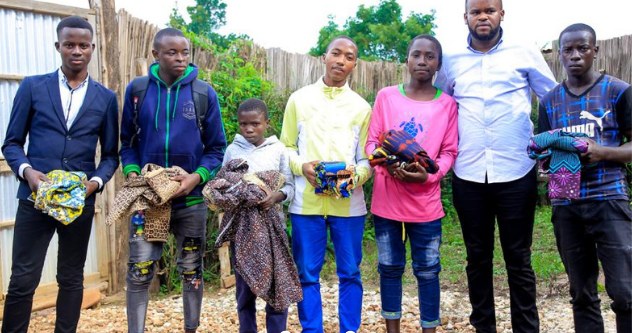
Sponsorship gets a child through a term. A school gets a community through a generation.
We are planning a model school in Mbarara, Uganda: a seven-classroom primary school and a six-classroom secondary school, equipped, staffed for a first year, with a playground. It is intended to reduce dropout rates and lower the risk of youth delinquency, because all children will have somewhere to go.
| Item | Cost |
|---|---|
| Purchase of a plot for school construction | $30,000 |
| Construction of a seven-classroom primary school | $150,000 |
| Construction of a six-classroom secondary school | $150,000 |
| Equipment: benches, tables, books, blackboards | $15,000 |
| Teacher incentives, first year only | $38,000 |
| School playground | $15,000 |
| Total | $398,000 |
Timeline. The project was scoped to run from 2024 to 2026, subject to the availability of resources. Please contact us for the current construction status and revised schedule.
The primary partner is the Government of Uganda, where the settlements are located, working through the Ministry of Education, alongside other agencies operating in the same area including UNHCR and UNICEF. Beyond that: individuals, NGOs, churches and organizations willing to support the work.
Refugees and newcomer families arriving in the Edmonton area. There is no referral requirement. Get in touch and we will arrange a time to sit down with you.
English, and where we can, the first language of the family. Between our team and volunteers that includes Kinyarwanda, Kirundi, Kiswahili and French. Tell us what you speak and we will do our best to match you.
Yes. Volunteers are what make the rounds possible. Contact us and we will let you know when the next one is going out and what to bring.
Education support runs in the Nakivale and Kyaka II refugee settlements in south western Uganda. The wider refugee training project targets five settlements: Nakivale, Kyaka II, Rwamwanja, Kyangwali and Kiryandongo.
No. Every program exists to remove cost as a barrier, not to add one.
In Edmonton it buys water, food and warm clothing for someone living on the street, or a kettle and a set of pans for a family setting up their first Canadian home. Through our international programs, $30 covers a school term for a child in a Ugandan refugee settlement.